
What Is a Pap Smear?
A Pap smear (also called a Pap test) is a simple, routine screening used to detect abnormal cells in the cervix. These changes may indicate early stages of cervical cancer or conditions that could develop into cancer if left untreated.
The test is quick, minimally uncomfortable, and can be performed during a routine women's wellness exam.
Why Pap Smears Are Important
Many women search for "why do I need a Pap smear" or "how often should I get a Pap test." The answer lies in prevention and early detection.
Early Detection of Cervical Cancer
Pap smears can identify abnormal cervical cells before they become cancerous. Detecting these changes early allows for timely treatment and significantly improves outcomes.
Screening for HPV (Human Papillomavirus)
In many cases, Pap smears are combined with HPV testing. HPV is a common virus that can lead to cervical cancer. Identifying HPV early helps guide monitoring and care.
Preventive Women's Health Care
Regular Pap smears are a key part of maintaining overall reproductive health and ensuring any issues are addressed early.
Who Should Get a Pap Smear?
If you're searching for "Pap smear guidelines" or "when to start Pap tests," general recommendations include:
- Women should begin Pap smear screenings around age 21
- Screening frequency depends on age and health history
- Women aged 21-65 benefit from routine cervical cancer screening
- Those with certain risk factors may need more frequent testing
What to Expect During a Pap Smear
Patients often search for "what happens during a Pap smear" or "is a Pap smear painful." Understanding the process can help ease concerns.
Step-by-Step Overview:
Preparation
You will lie comfortably on an exam table.
Pelvic Exam
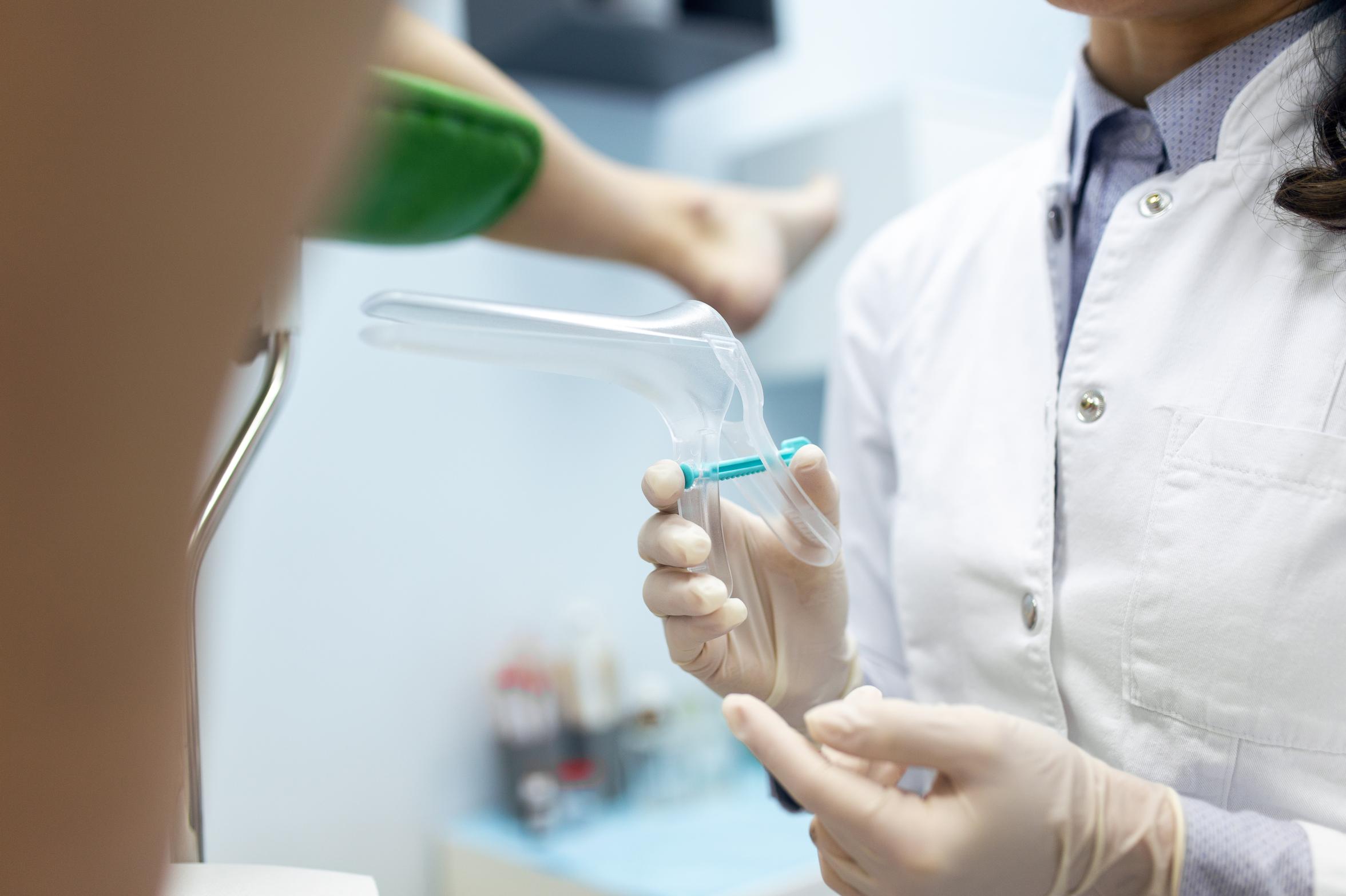
A speculum is gently inserted to allow the provider to view the cervix.
Cell Collection
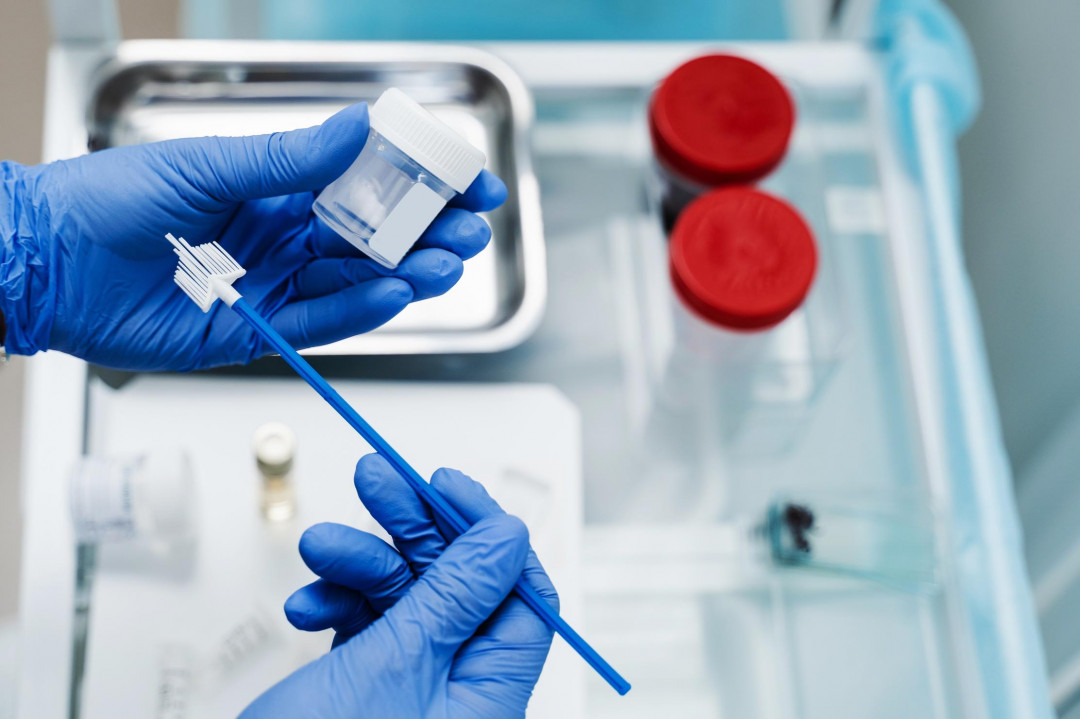
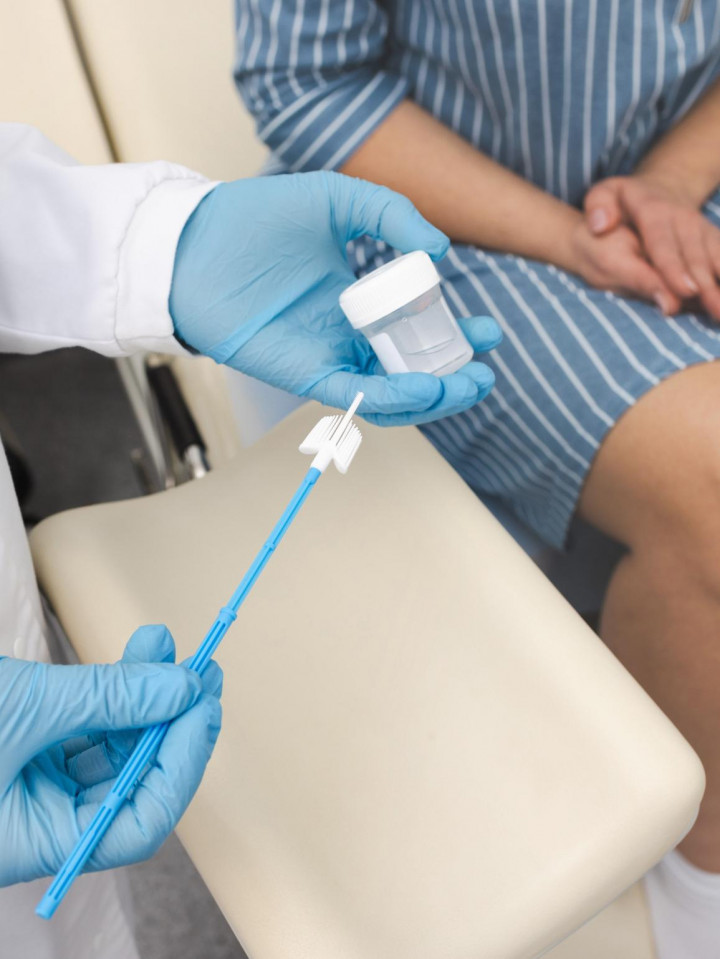
A small sample of cervical cells is collected using a soft brush or spatula.
Lab Testing
The sample is sent to a lab to check for abnormalities or HPV.
The entire process typically takes only a few minutes.
How to Prepare for Your Pap Smear
To ensure the most accurate results, patients searching for "how to prepare for a Pap smear" should follow these tips:
- Avoid intercourse 24-48 hours before the test
- Do not use tampons, douches, or vaginal medications beforehand
- Schedule your appointment when you are not menstruating
- Share any symptoms or concerns with your provider
Understanding Your Results
After your Pap smear, results will indicate whether cervical cells are normal or abnormal.
Normal Results
No abnormal cells are detected. You can continue routine screening as recommended.
Abnormal Results
This does not necessarily mean cancer. It may indicate:
- Mild cell changes
- HPV infection
- Precancerous cells
Pap Smears and Women's Health Services
At James Watt Medical Center, Pap smears are part of a broader approach to women's health. Patients also have access to:
- Annual physical exams and wellness visits
- Preventive screenings
- Hormonal health evaluations
- Chronic disease management
Benefits of Choosing James Watt Medical Center
If you're searching for "Pap smear clinic El Paso TX" or "women's health doctor near me," James Watt Medical Center offers a patient-focused experience.
Compassionate, Comfortable Care
The medical team prioritizes your comfort and privacy during every visit.
Experienced Providers
Patients receive care from knowledgeable professionals who focus on preventive health.
Personalized Screening Plans
Every patient's screening schedule is tailored to their health history and risk factors.
Convenient El Paso Location
Accessible care and flexible scheduling make it easier to stay on top of routine screenings.
When to Schedule Your Pap Smear
Many women search for "when should I get a Pap smear." You should consider scheduling an appointment if you:
- Are due for your routine screening
- Have never had a Pap smear
- Are experiencing symptoms such as unusual bleeding or discharge
- Want to stay proactive about your health